Was the Green Revolution a Boon for India? A Deeper Look
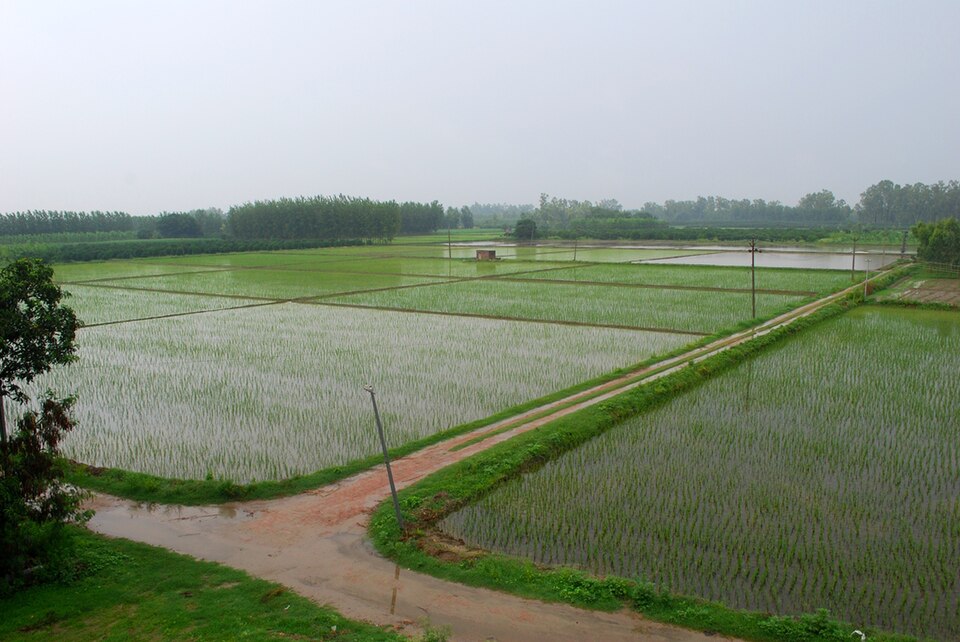
More than five decades ago, India, then a fledgling democracy grappling with severe food shortages and the formidable challenge of feeding its burgeoning population, embarked on an agricultural transformation known as the Green Revolution. This monumental shift, starting around the mid-1960s, introduced high-yielding seed varieties (HYVs), chemical fertilizers, pesticides, and mechanized farm tools, fundamentally altering the landscape of Indian agriculture. On the one hand, it allowed the nation to achieve remarkable food self-sufficiency, a critical component of its nation-building process. On the other, its implementation sparked widespread debate, with academic literature remaining divided on its ultimate success and long-term consequences. This article delves into the multi-faceted legacy of the Green Revolution, exploring its profound benefits and the enduring critiques that continue to shape India's agricultural narrative.
The Genesis of a Revolution: How India Transformed Its Fields
Before the advent of the Green Revolution, India's agricultural sector was in a precarious state. Low productivity, reliance on monsoon rains, and an ever-present threat of famine cast a long shadow over the nation's development ambitions. The traditional farming methods struggled to keep pace with the demands of a rapidly growing population, often leading to food imports and a vulnerability that undermined national sovereignty. The sheer
Indien Größe – both in terms of its vast land area and its immense population – meant that any solution had to be equally grand in scale.
It was against this backdrop that the Green Revolution emerged as a beacon of hope. Inspired by early successes in Mexico, spearheaded by the American agronomist Norman Borlaug (often hailed as the "father of the Green Revolution"), India embraced a similar model. The core strategy involved the introduction of scientifically developed high-yielding varieties of wheat and rice, which, when coupled with assured irrigation, liberal application of synthetic fertilizers, and diligent use of pesticides, promised dramatically increased yields. These HYVs were specifically bred to be more responsive to chemical inputs, leading to multiple cropping cycles and a significant boost in output per acre. This technological package, supported by government policies and infrastructure development, was designed to pull India back from the brink of widespread hunger and lay a robust foundation for its self-reliance.
The Unquestionable Gains: Food Security and Nation-Building
The immediate impact of the Green Revolution was nothing short of miraculous. Within a few decades, India transformed from a nation teetering on the edge of famine to one that achieved remarkable food self-sufficiency, and eventually, even became a net exporter of certain food grains. The dramatic increase in wheat and rice production, particularly in states like Punjab, Haryana, and western Uttar Pradesh, was instrumental in stabilizing food prices and making food more accessible to a larger segment of the population. This agricultural boom averted what many feared would be widespread starvation, preventing a humanitarian crisis of immense proportions given
Indien Größe and population density.
Beyond the sheer volume of food, the Green Revolution significantly contributed to India's nation-building process. Achieving food security instilled a sense of national pride and reduced dependence on foreign aid and imports, bolstering the country's geopolitical standing. It freed up resources that could be redirected to other sectors of development and created a more stable internal environment for economic and social progress. Many rural economies experienced an initial surge, with increased incomes for farmers who adopted the new technologies, leading to improved living standards in some regions. The sight of overflowing granaries became a powerful symbol of a resurgent nation, capable of feeding its own people through scientific ingenuity and strategic planning.
The Shadow Sides: Environmental and Socio-Economic Costs
Despite its undeniable triumphs in food production, the Green Revolution was not without its critics and significant long-term costs. The intensive farming practices advocated by the revolution led to a host of environmental challenges that India continues to grapple with today.
*
Environmental Degradation: The heavy reliance on chemical fertilizers and pesticides resulted in soil degradation, loss of vital micronutrients, and reduced natural fertility. Chemical runoff contaminated water bodies, affecting aquatic ecosystems and human health. Furthermore, the push for increased irrigation led to over-extraction of groundwater, particularly in the most productive regions, causing alarming drops in water tables and increasing the energy burden for farmers. The monoculture fostered by HYVs also led to a significant loss of agricultural biodiversity, making crops more vulnerable to pests and diseases.
*
Socio-Economic Disparities: The benefits of the Green Revolution were not evenly distributed. Wealthier farmers with larger landholdings and access to capital were better positioned to invest in HYV seeds, fertilizers, pesticides, and irrigation infrastructure. Small and marginal farmers often struggled to afford these expensive inputs, leading to increased indebtedness, displacement, or being forced to sell their land. This widened the gap between rich and poor farmers and exacerbated regional disparities, with states that benefited less from the initial push (often in eastern India) lagging significantly behind. The focus on wheat and rice also neglected other crops, impacting dietary diversity and the livelihoods of farmers specializing in pulses or coarse grains.
*
Health Concerns: The extensive use of pesticides raised serious health concerns for farmers and consumers alike, with reports of illnesses and long-term health complications linked to chemical exposure.
These unintended consequences highlight the complex trade-offs inherent in any large-scale developmental intervention and underscore why academic opinion remains divided on the holistic success of the Green Revolution.
The American Hand: Modernization and Postcolonial Perspectives
A significant, yet often debated, aspect of the Green Revolution in India was the prominent involvement of American expertise and institutions. Organizations like the Rockefeller Foundation and the Ford Foundation played crucial roles in funding research, transferring technology, and providing technical assistance. Norman Borlaug's pioneering work, initially in Mexico, served as a blueprint for India's agricultural overhaul.
This American involvement can be viewed through the lens of
modernization theory, a framework popular during the Cold War era that suggested developing nations could achieve economic growth and societal progress by adopting Western models of technology, industry, and governance. From this perspective, American expertise was seen as a catalyst for India's agricultural modernization, helping it overcome traditional inefficiencies.
However, from a
postcolonial nationalist viewpoint, this foreign involvement also raised questions about sovereignty and the long-term implications of external influence on a newly independent nation. While acknowledging the critical role of foreign aid and scientific collaboration in averting famine, some scholars and critics have debated the extent to which these collaborations shaped India's policy priorities, potentially locking it into a particular developmental path with its own set of dependencies and environmental vulnerabilities. The discussion around the nexus between India's nation-building project and the use of American expertise reveals a fascinating and complex interplay of pragmatism, necessity, and national aspirations.
Conclusion
The Green Revolution in India stands as a pivotal chapter in the nation's history, a powerful testament to human ingenuity in the face of immense challenges. It undeniably secured India's food future, transforming it from a land of chronic scarcity to one of surplus, a colossal achievement for a country of
Indien Größe. This success was instrumental in bolstering national pride and strengthening the foundation of its nascent democracy. However, this progress came at a cost. The environmental degradation, socio-economic inequalities, and health concerns that emerged from its intensive practices continue to demand attention. The legacy of the Green Revolution is therefore a nuanced one – a necessary intervention that averted immediate disaster but left behind a complex array of challenges that India's agricultural sector is still striving to resolve through sustainable and equitable farming practices. Understanding this dual legacy is crucial for charting a path forward that balances productivity with ecological and social well-being.