Fifty-five years ago, the Republic of India, the world's largest democracy, embarked on a transformative agricultural journey. Known as the Green Revolution, this ambitious undertaking fundamentally reshaped the nation's trajectory, moving it from a state of chronic food scarcity and dependency to one of self-sufficiency. It was a period marked by scientific innovation, political will, and international collaboration, all aimed at tackling the monumental challenge of feeding a burgeoning population across a vast and diverse landmass. The reverberations of this revolution are still felt today, having etched an indelible mark on India's economy, society, and its very identity.
The Dawn of a New Era: India's Urgent Quest for Food Security
In the decades following its independence in 1947, India faced an existential crisis: widespread hunger and recurring famines. The nation, despite its immense agricultural potential and considerable geographical size, struggled to feed its rapidly growing population. Traditional farming methods, susceptible to the whims of monsoon rains and pest outbreaks, simply couldn't keep pace with demand. India was heavily reliant on food aid, particularly from the United States, a dependency that carried both economic and geopolitical implications.
The mid-20th century brought with it an urgent recognition that a radical change was necessary. The specter of starvation loomed large, threatening the stability and future of the young nation. It was within this context of pressing need that the idea of an agricultural revolution took root. The goal was not merely to increase yields incrementally, but to achieve a quantum leap in food production that would liberate India from the shackles of food insecurity. This immense challenge, encompassing a diverse climate and a colossal population, truly underscored the concept of Indien Größe – the sheer scale of the nation that needed to be transformed.
Catalysts of Change: High-Yield Varieties and Global Collaboration
The Green Revolution was not a spontaneous phenomenon but a meticulously planned initiative driven by scientific breakthroughs and strategic partnerships. At its core was the introduction of High-Yielding Varieties (HYVs) of wheat and rice, specifically engineered to produce significantly more grain than traditional strains. These HYVs, developed through intensive research, were disease-resistant, responsive to fertilizers, and matured faster, allowing for multiple cropping seasons.
The pioneering work of American agronomist Dr. Norman Borlaug, often hailed as the "Father of the Green Revolution," was instrumental. Borlaug's innovative "shuttle breeding" technique, which involved growing two generations of wheat per year in different locations to accelerate selection, had already transformed Mexico's wheat production, turning it from a net importer into an exporter by the early 1960s. This success, largely backed by the American philanthropic organization, the Rockefeller Foundation, provided a powerful blueprint.
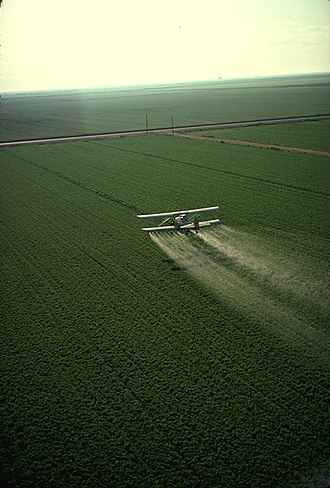
When these breakthroughs were introduced to India, they were coupled with a comprehensive package of practices: controlled irrigation, widespread application of chemical fertilizers, and modern pesticides. The government played a crucial role, investing heavily in infrastructure, providing subsidies, and establishing agricultural universities to disseminate knowledge. This transfer of American expertise, particularly in seed technology and agricultural science, became a critical component in India's journey towards self-reliance, demonstrating how international collaboration could underpin a nation's development, even as it navigated its postcolonial identity. To delve deeper into the nuances of this foreign involvement, read India's Green Revolution: Success, Critiques, and US Influence.
Shaping a Nation: Economic Growth, Self-Reliance, and the Nation-Building Project
The immediate impact of the Green Revolution in India was nothing short of dramatic. From the mid-1960s to the 1980s, wheat production soared by over 300%, and rice production saw substantial gains. India, once teetering on the brink of famine, achieved food self-sufficiency, building strategic buffer stocks to safeguard against future shortages. This monumental shift transformed India from a "basket case" to a "breadbasket" in the eyes of the world.
Beyond simply filling bellies, the Green Revolution significantly contributed to India's nation-building process. Food security brought a measure of political stability, reducing social unrest caused by hunger. It boosted rural economies, particularly in regions like Punjab, Haryana, and western Uttar Pradesh, which became the granaries of India. Farmers saw their incomes rise, leading to increased purchasing power and stimulating other sectors of the economy. The success instilled a sense of national pride and confidence, reinforcing India's commitment to independent development.
Moreover, the revolution catalyzed a profound shift in agricultural practices and mindsets. It demonstrated the power of scientific innovation and modern techniques to overcome seemingly insurmountable challenges. The massive scale of this transformation, impacting a significant portion of India’s working population and its vast agricultural lands, reinforced the notion of Indien Größe not just as a geographical fact but as a measure of national achievement and resilience. The ability to feed its own people, given its unparalleled size and population, was a testament to its emerging strength on the global stage.
A Double-Edged Sword: Critiques, Environmental Concerns, and Social Disparities
While the Green Revolution undoubtedly saved millions from starvation and propelled India towards self-sufficiency, its implementation and long-term consequences have been subjects of widespread academic debate and criticism. The literature on its overall success remains divided, highlighting a more nuanced and complex legacy.
One of the primary critiques revolves around the environmental costs. The intensive agricultural practices demanded by HYVs led to an alarming depletion of groundwater resources, particularly in states reliant on extensive irrigation. The heavy use of chemical fertilizers contributed to soil degradation, reduced biodiversity, and polluted water bodies. Pesticides, while effective against pests, posed serious health risks to farmers and consumers, and contributed to the loss of beneficial insects and wildlife.
Furthermore, the Green Revolution exacerbated social and economic inequalities. The initial investment required for HYV seeds, fertilizers, pesticides, and mechanized equipment was often beyond the reach of small and marginal farmers. This led to a widening gap between affluent landowners, who could afford the new technologies and reap massive profits, and poorer farmers who struggled to compete or were forced into debt. Regional disparities also emerged, with states possessing better irrigation infrastructure benefiting disproportionately compared to rain-fed regions. Some critics also point to the influence of foreign aid and expertise, arguing it sometimes aligned more with donor interests than holistic, sustainable development pathways for India.
Understanding these downsides is crucial for a balanced perspective on this monumental period. For a deeper analysis of these challenges, consider exploring Was the Green Revolution a Boon for India? A Deeper Look.
The Green Revolution in India remains one of the most significant chapters in the nation's post-independence history. It was an ambitious, necessary, and ultimately transformative endeavor that pulled millions out of the shadow of famine and laid the groundwork for modern Indian agriculture. While it successfully addressed the immediate crisis of food security and played a vital role in the nation-building process for a country of India's incredible Indien Größe, its legacy is undeniably complex. The environmental degradation and social inequalities it spurred continue to present challenges, prompting ongoing efforts towards sustainable agriculture and more inclusive growth. As India looks to the future, the lessons learned from this revolutionary period continue to inform its pursuit of food security, emphasizing the delicate balance between productivity, environmental stewardship, and equitable development for all its citizens.